Built Not Bought: When sport is a powerful force for good
Closing message for Clean Sport Week 2026: Built not bought, 100% me.
By Jane Rumble, Chief Executive, UK Anti-Doping (UKAD)
Close to a million more people took part in physical activity in the UK last year according to research from UK Active. More women are lifting weights. More older adults are strength training. That is genuinely brilliant news, and it is something we should celebrate.
But alongside that growth, something troubling is also spreading. And this Clean Sport Week, I want to be direct about it.
This week, UKAD published new survey findings that I think should concern us all.
A third (33%) of young people aged 16–25, who responded to the survey, said they had purchased performance enhancing drugs known as SARMs — Selective Androgen Receptor Modulators — online at some point in their lifetime, after seeing them advertised or promoted on social media. Almost a third are seeing adverts for these substances at least once a week. A quarter had no idea there were any health risks involved at all.
Let me be clear about what SARMs actually are. They were developed in the 1990s as experimental potential treatments for conditions such as osteoporosis and muscle-wasting. But there were early concerns about many negative side-effects. No SARM has ever been approved for medical use by any medicines regulator. They are illegal to sell for human consumption. They are banned in competitive sport. Clinical evidence links them to liver damage, liver failure, heart inflammation and thrombosis. These are all life-threatening conditions.
Yet today online, they are being sold in tablet form, marketed as safer alternatives to steroids, often promoted by influencers with no mention of risk.
When we surveyed parents of 14-19 year olds, four in five (80%) said they were concerned their child had been exposed to online content promoting "superhuman" or "shortcut" results. Individual parents have since contacted me to share similar concerns.
I have spent time this week speaking to journalists, athletes and leaders in sport about what our findings mean. What strikes me most is not just the scale of the problem. It is the gap between what young people are being told and what is actually true. The misinformation is sophisticated and persuasive, and young people are absorbing it.
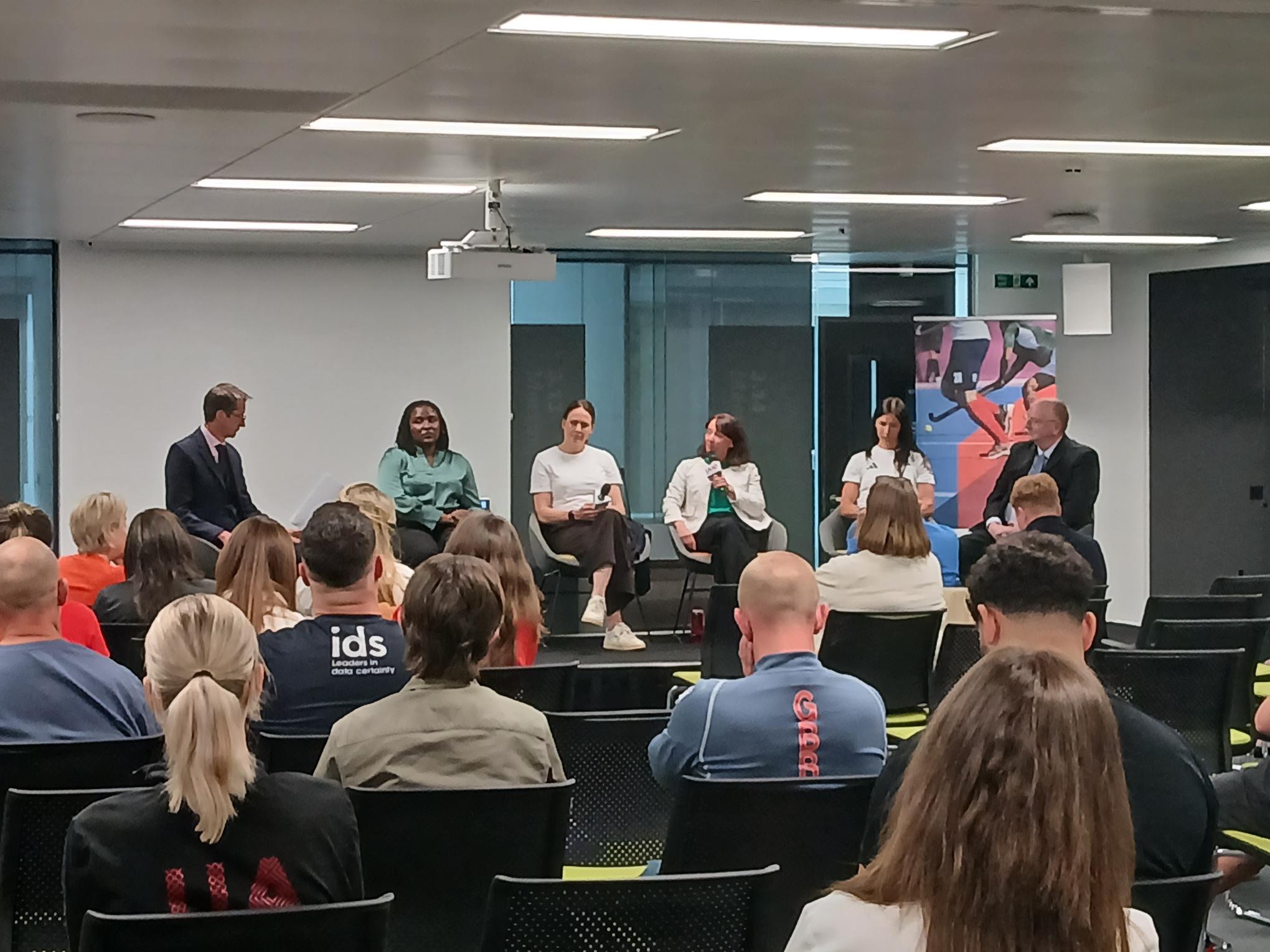
"Athletes have a duty to educate themselves and to protect the integrity of sport by not taking shortcuts," said Laura Deas, Vice-Chair of UKAD's Athlete Commission, at the start of Clean Sport Week. Laura's message was clear: athletes are role models who, through their actions, "let the wider public understand the importance of integrity, safety and well-being in sport."
A strong support network is a key part of building success in sport. Javier Bello, UKAD Athlete Commission member, spoke about his family values, alongside his brother and parents. "I think it's really important that athletes surround themselves with the right people, to encourage the right habits, to inspire people and motivate them on the way."
Sport should be one of the most powerful forces for good in a young person's life. It builds resilience, discipline, community and confidence. Elite-level athletes, along with their support network, have dedicated thousands of hours to their sport and they are also important role models to so many. Shortcuts do not just risk health. They undermine everything sport is supposed to stand for.
Clean Sport Week's theme this year — Built Not Bought. 100% Me. — is a direct response to this. It is a message for elite athletes, for gym-goers, for young people just starting out. Your achievements belong to you. They cannot be bought, and they should not be risked.
Throughout this week, we have been tackling the misinformation head on, sharing accurate health information, working with our athlete commission, and partnering with CIMSPA, the professional body for the sport and physical activity sector.
But we know one week is not enough. That is why we have commissioned new independent research through the University of Swansea, specifically examining how SARMs are marketed and sold online, and how influencers are being used to spread misinformation. We will publish the findings and recommendations later this year. We will also continue working with others beyond this week to build a clearer picture of the full scale of this issue and what might be done to better address the harms of SARMs.
If you see SARMs being marketed as a food, a supplement, or for human consumption, please report it to your local trading standards authority. If you are an athlete or support personnel with concerns, visit our new SARMs Factsheet and report suspicions of doping in sport confidentially through Protect Your Sport.
And if you are a parent, carer, a coach, a youth worker, a teacher, or anyone else working in and around young people, then be sure to talk to them about these risky substances, which are illegal for human consumption. Your voice matters to them more than an algorithm's.
You might also like