
IPEDs risk damaging the heart say leading cardiology experts
Clean Sport Week 2026: Two leading cardiology experts have warned that the use of performance enhancing drugs can have serious negative effects on a user’s heart.
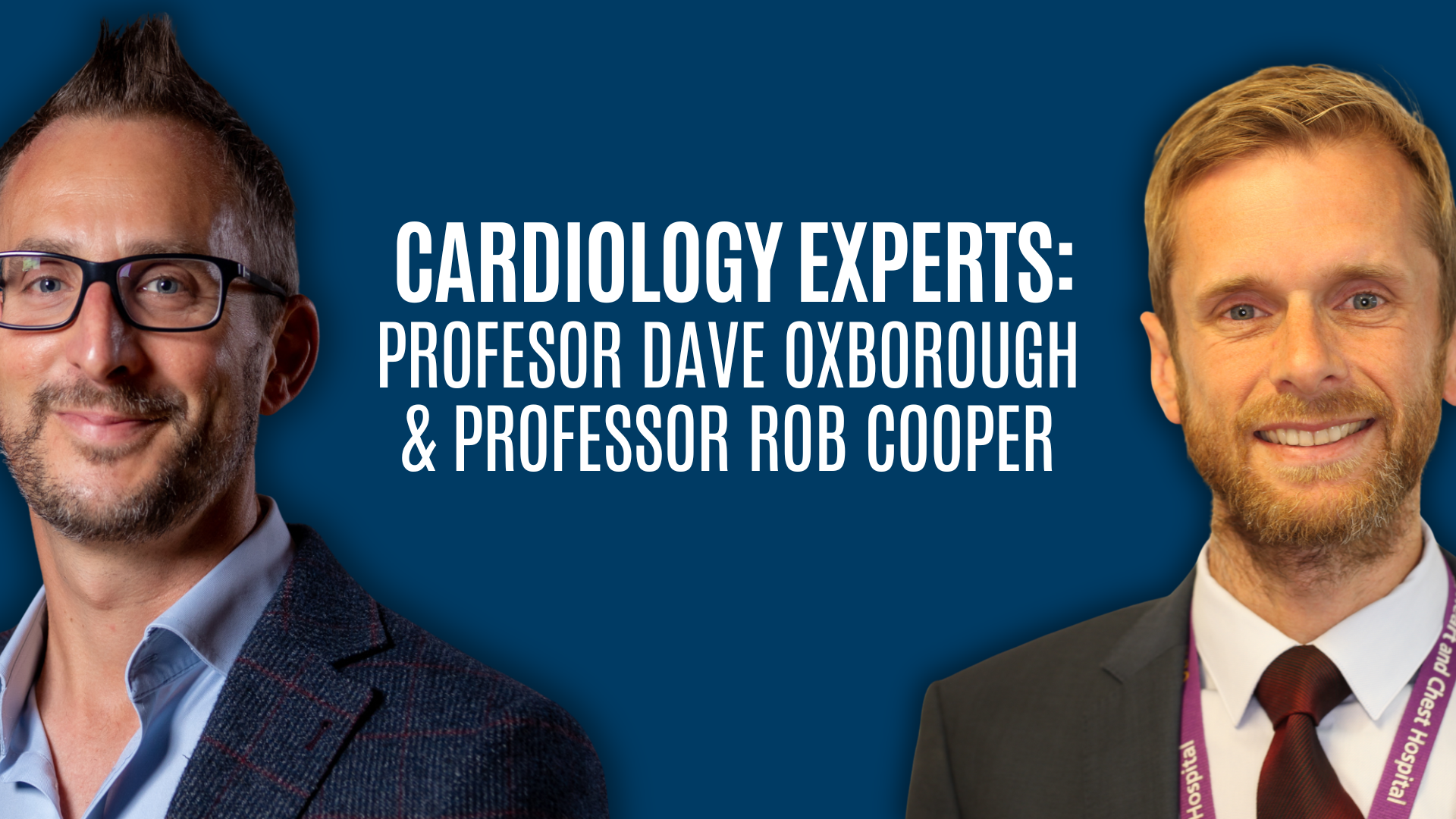
Two leading cardiology experts have warned that the use of image and performance enhancing drugs (IPEDs), such as anabolic steroids and Selective Androgen Receptor Modulators, can have serious negative effects on a user’s heart.
These substances often appeal to athletes and gym-goers, with many marketed online offering ‘quick results’ or even ‘super human' effects – popular for both body image and performance enhancement.
Professor Rob Cooper and Professor Dave Oxborough are working together to actively look at the impact IPEDs can have on the heart muscle through their study of finding early indicators of heart failure in young men.
The pair, who are Professors at Liverpool John Moores University, have been involved with this particular project for six years and have found that across a cohort of approximately 100 screened athletes that take IPEDs, 80% of those have fallen outside the normal range of expected athletic heart norms.
Cooper said: “It's my firm belief that in a population of people, over a course of time, [IPEDs] will be damaging for your heart health. So, my advice [to people using them] is to stop.
“I'm here to help and advise those people and give them information. If they choose to continue against that advice, then it's still our responsibility to monitor them and treat their heart problems as and when they arise.”
Cooper explained that the importance of the duo’s work was to try and reduce the strain on the NHS by preventing younger people from suffering heart failure, using a mean age of 30 years old throughout their testing.
“Healthcare generally has to pivot to prevention now,” continued Cooper. “The NHS faces greater pressures from an aging population, with resources that are not meeting those demands we need to react and change approach.
“So now, rather than reacting, we need to understand the causes of the disease and try to make an intervention, so people steer away. This is why we're looking at a younger population.
“But within that population, the referral rate from screening research domain to clinical hospital domain is quite high. We're looking at of the 100 people who have been screened, there are three or four that I've seen with a significantly weakened heart pump.
“They have been intervened on either through stopping the IPED use or stopping the IPED use and starting medicines for heart failure.”
Prof Cooper and Prof Oxborough were speaking ahead of UK Anti-Doping's (UKAD) annual Clean Sport Week which takes place between 11-17 May.
The annual campaign that celebrates fair play and champions drug-free sport, is pushing the message, ‘Built not bought. 100% me’, in a bid to promote that lasting success comes from hard work, talent and dedication – it can’t be bought, and there is no safe way to dope.
Throughout the week, UKAD will tackle misinformation online about IPEDs, including Selective Androgen Receptor Modulators (SARMs), share accurate health information and highlight the role athletes play as role models for the next generation.
Oxborough said that understanding why people take IPEDs is an important factor in helping people come off the drugs and that just prohibiting them without addressing said psychological issues might not be effective.
And with the rise in gym culture and social media acting as a way for people to access information about IPEDs and grow their own 'fitness brands', Oxborough and Cooper are working together to target prevention in these communities.
He said: “We need to look at the challenges these people are having as individuals and also know why they're taking them.
“It's about having a balance and being careful. For some people, this is their identity and we have to be conscious of that.
“We need to try and work with them and say firstly, 'how can we negate this risk for you?'.
“This is a public health issue, that is multifaceted, and there are psychological and behavioural needs that need to be addressed.”