622 tests on athletes from 62 nations during the event: Anti-Doping at Glasgow 2026
Anti-Doping at Glasgow 2026
Following the completion of Glasgow 2026, UK Anti-Doping (UKAD) can now reveal the scale of its work to help protect a level playing field at this international event.
UKAD was proud to be appointed by Glasgow 2026, working with Commonwealth Sport, to deliver the anti-doping programme for the Games, drawing on UKAD's expertise in clean sport. This included setting up an Anti-Doping Taskforce in partnership with Commonwealth Sport, delivering education for athletes, and running an intelligence-led, risk-based testing programme, all designed to protect fair competition and build trust in the integrity of the Games.
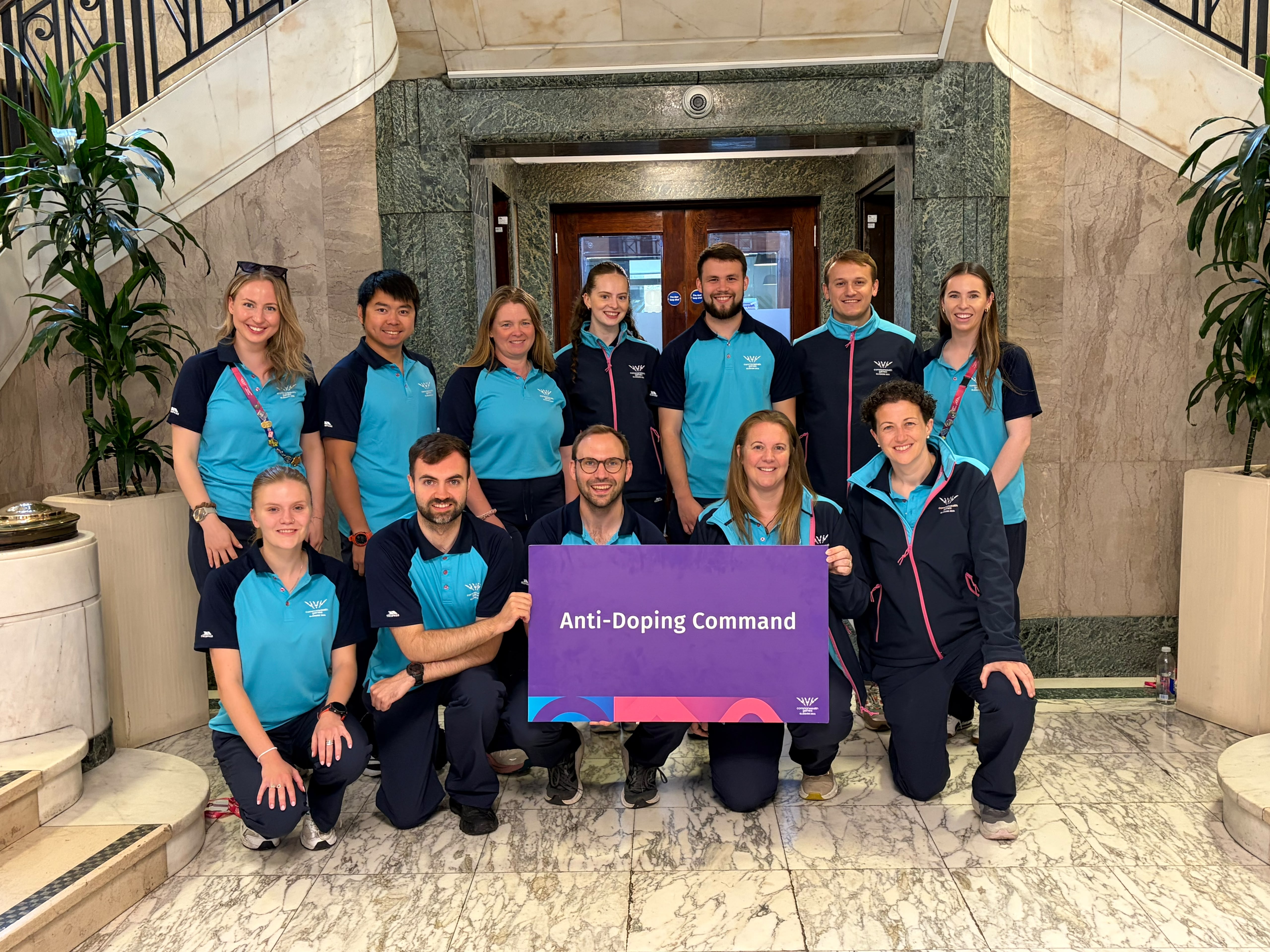
During the event and the preceding days, 49 Doping Control Personnel delivered 622 tests on 565 athletes representing 62 nations. 78% of tests took place In-Competition and 22% Out-of-Competition, with a total of 743 samples collected: 616 urine samples, 97 blood samples and 30 dried blood spot samples.
Education in the build-up played a critical role in protecting the integrity of the Games, ensuring athletes better understood their anti-doping rights and responsibilities.
UKAD supported 1,681 Commonwealth athletes and their athlete support personnel to enrol in the World Anti-Doping Agency's ADEL online learning course for Glasgow 2026, achieving a 94% completion rate. A further 301 individuals from 48 nations took part in UKAD’s dedicated pre-Games anti-doping webinar. In addition, Commonwealth Games Associations (CGAs) undertook their own anti-doping education.
In the months before athletes arrived in Glasgow, the Anti-Doping Taskforce conducted 102 tests on athletes from 28 different nations. These tests were carried out across 19 countries, working alongside anti-doping organisations and international federations.
Jane Rumble, UKAD's Chief Executive, said:
"It was a privilege to be entrusted by the Glasgow 2026 Organising Company to bring UKAD's expertise to the Games. Together, we delivered a comprehensive education and testing programme designed to protect clean athletes and uphold the integrity of competition.”
I would like to thank our staff, national trainers, doping control personnel, and the athletes themselves for their commitment to clean sport and the values of fairness and respect that underpin it.”
Natalie Cunningham, Director of Sport, Glasgow 2026 said:
"Fair competition was non-negotiable for Glasgow 2026. Through our partnership with UKAD and Commonwealth Sport, we built a rigorous clean sport programme — intelligence-led testing, comprehensive athlete education and zero tolerance for anything less than a level playing field."
Dr Peter Harcourt, Chair, Commonwealth Sport, Anti-Doping and Medical Commission said:
"Athletes across the Commonwealth deserve to compete knowing the playing field is level, wherever the Games are held. We believe sport is for everyone, which means it must have integrity and stay safe for future generations. Working with a national anti-doping organisation like UKAD helped Glasgow 2026 deliver exactly that."
Editor's Notes
Testing in this context is defined as any attempt to test a single athlete in a single sample collection session.
In-Competition testing: The World Anti-Doping Agency define In-Competition as “the period commencing 11.59pm on the day before a competition through to the end of such competition and the sample-collection process related to such competition”. An In-Competition Test applies only to the specific competition in which the athlete is participating at the Major Event.
Out-of-Competition testing: Athletes may be tested at any time and in any location outside the In-Competition period. For example, testing may take place at an athlete’s hotel during Glasgow 2026.
From 23 July to 2 August 2026, the Glasgow 2026 Commonwealth Games saw around 3,000 athletes from 74 nations and territories compete across 10 sports for 215 gold medals.
You might also like